
From Pruning Shrubs to Mowing Lawns: 12 Benefits of Proper Landscape Maintenance
A well-maintained landscape does more than make a property look attractive. Consistent care keeps lawns, shrubs, trees, garden beds, and outdoor features healthier throughout the year. Proper landscape maintenance also helps protect the property's appearance, functionality, and long-term value while creating an outdoor environment homeowners can enjoy.
1. Creates a Healthier Lawn
Regular lawn maintenance helps grass receive the care it needs to remain dense, green, and resilient. Proper mowing encourages healthy growth while keeping the lawn at an appropriate height for its grass type and seasonal conditions. Consistent watering and fertilization can also support strong root development and improve the lawn's ability to handle environmental stress. Addressing weeds and thinning areas early can prevent them from becoming more noticeable problems across the property. A healthy lawn provides an attractive foundation for the rest of the landscape. Ongoing professional care can help keep grass looking consistently maintained throughout the growing season.
2. Keeps Shrubs Looking Neat and Healthy
Shrubs can quickly become overgrown when they are not trimmed according to their growth habits and seasonal needs. Proper pruning helps maintain their shape while removing unwanted, damaged, or poorly positioned growth. Regular attention can also prevent shrubs from blocking windows, walkways, entryways, or other important areas around the property. Professional landscape maintenance considers the mature size and growth pattern of each plant before trimming occurs. This approach helps shrubs remain attractive without sacrificing their natural health. Well-maintained shrubs can provide structure and visual interest throughout the landscape.
3. Supports Healthy Tree Growth
Trees are valuable landscape features that require appropriate maintenance as they grow and mature. Proper pruning can help remove dead, damaged, or problematic branches while encouraging a balanced structure. Routine inspections may also reveal signs of stress, disease, or other conditions that deserve further attention. Keeping branches appropriately managed can help prevent them from interfering with structures, pathways, utility areas, or other landscape features. Professional maintenance can also account for the growth characteristics of different tree species. Caring for trees consistently can help preserve their health, appearance, and contribution to the property.
4. Improves Curb Appeal
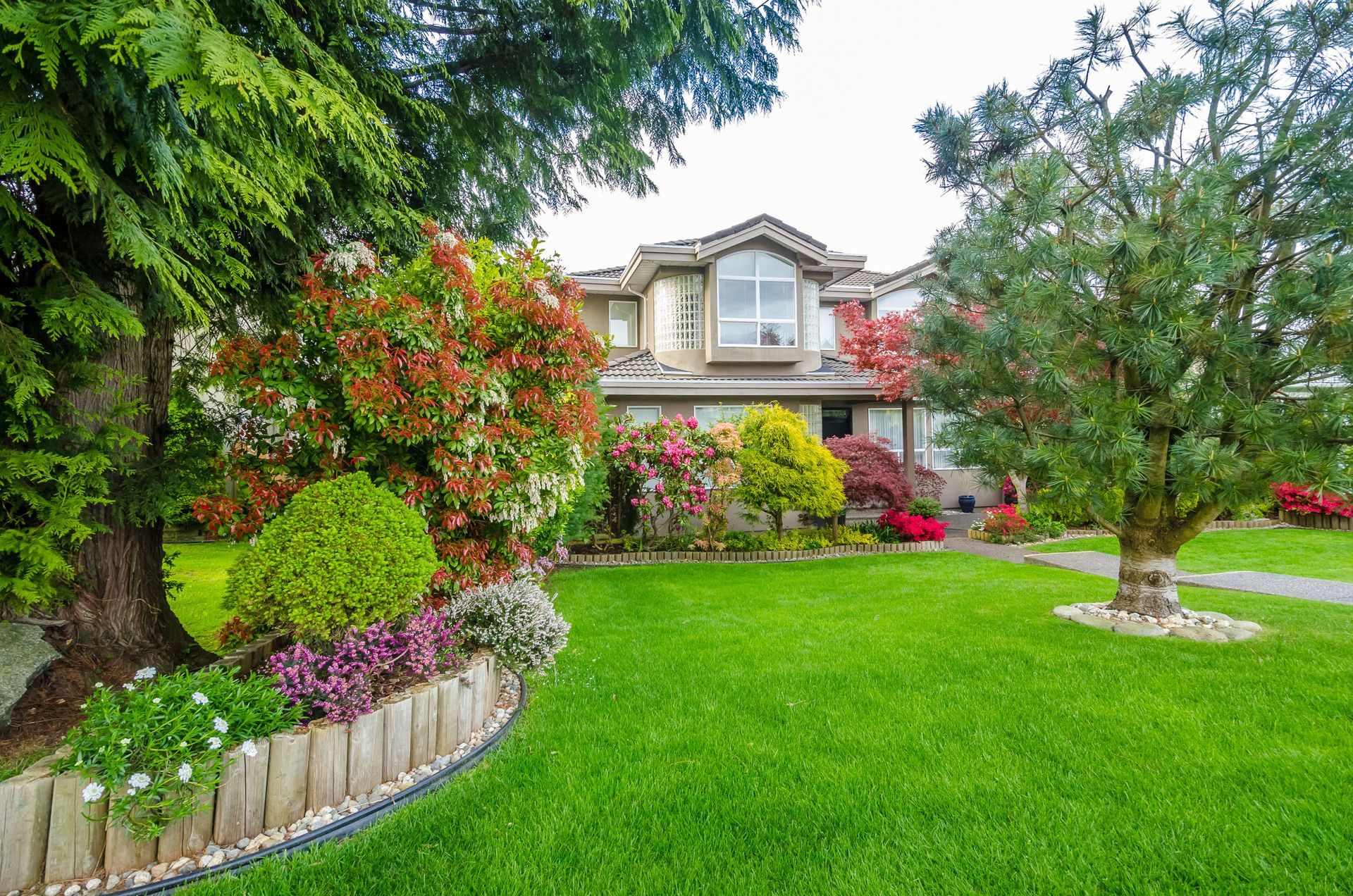
The condition of a landscape can strongly influence how a property looks from the street. Freshly mowed grass, neatly trimmed shrubs, defined planting beds, and healthy trees create a more polished exterior. Consistent maintenance prevents overgrown vegetation and neglected lawn areas from making the property appear less cared for. Seasonal cleanups can further improve the appearance by removing leaves, fallen branches, and other debris. A coordinated maintenance routine ensures that different areas of the yard continue to complement one another. Improving curb appeal can make the property more welcoming for residents, visitors, and potential buyers.
5. Protects Your Landscape Investment
Landscaping can represent a significant investment in plants, trees, lawns, hardscaping, and outdoor features. Regular maintenance helps protect that investment by keeping plants healthy and addressing problems before they become more difficult to manage. Neglected vegetation can become overgrown, damaged, or stressed, potentially reducing the value of previous landscaping improvements. Consistent lawn care and pruning also help preserve the intended appearance of the original landscape design. According to Better Homes & Gardens, the estimated ROI for landscape maintenance is a 104% return. Ongoing care can therefore support both the appearance and financial value associated with a well-maintained property.
6. Helps Control Weeds
Weeds can compete with desirable plants and grass for sunlight, water, nutrients, and available growing space. Regular landscape maintenance can identify unwanted growth before it spreads throughout lawns and planting beds. Maintaining healthy grass can also reduce opportunities for weeds to establish themselves in thin or damaged areas. Professional maintenance can incorporate appropriate strategies based on the specific landscape and seasonal conditions. Consistent attention is generally more effective than allowing weeds to become widespread before addressing them. Better weed control helps keep planting areas and lawns looking cleaner and more uniform.
7. Maintains Clean Garden Beds
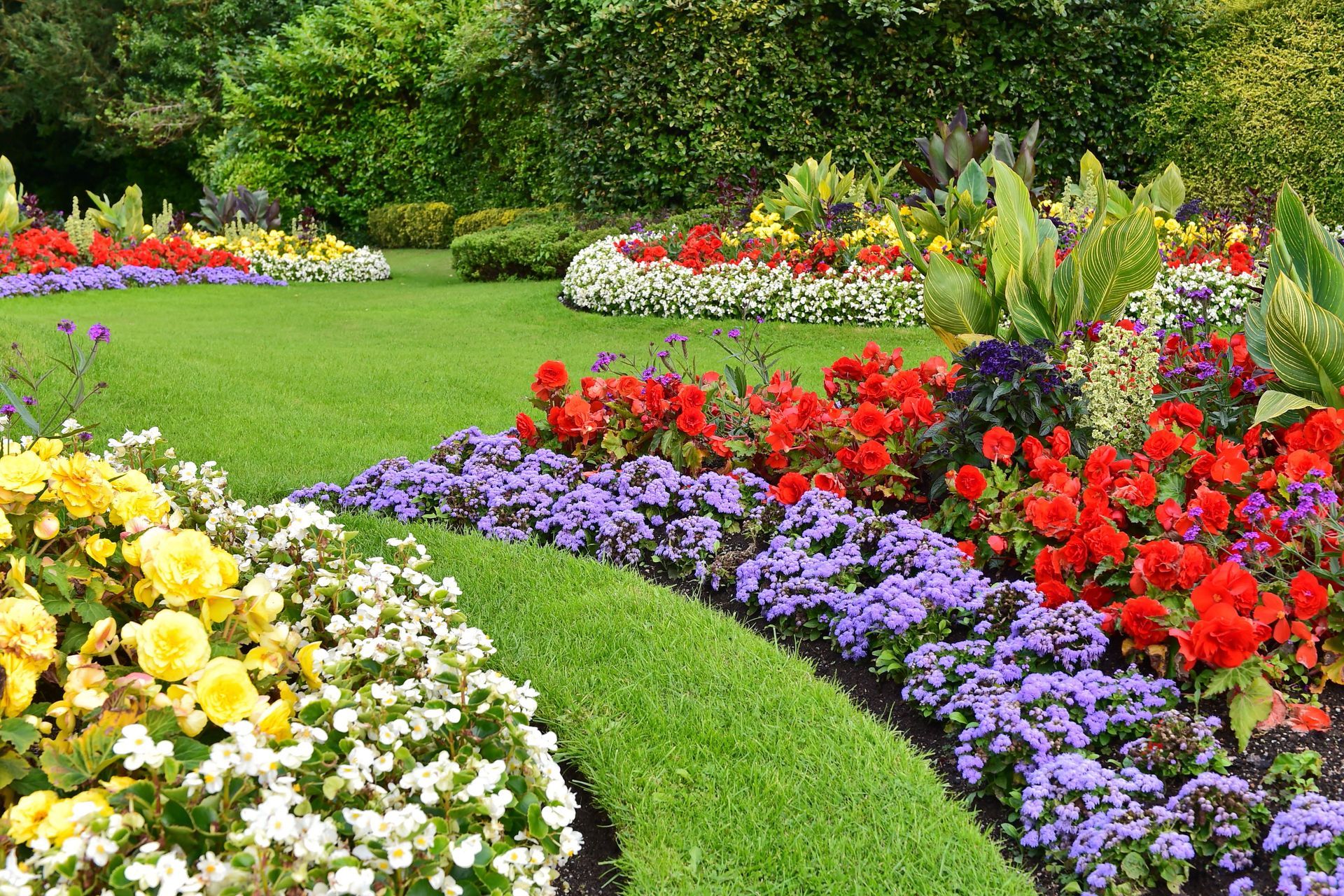
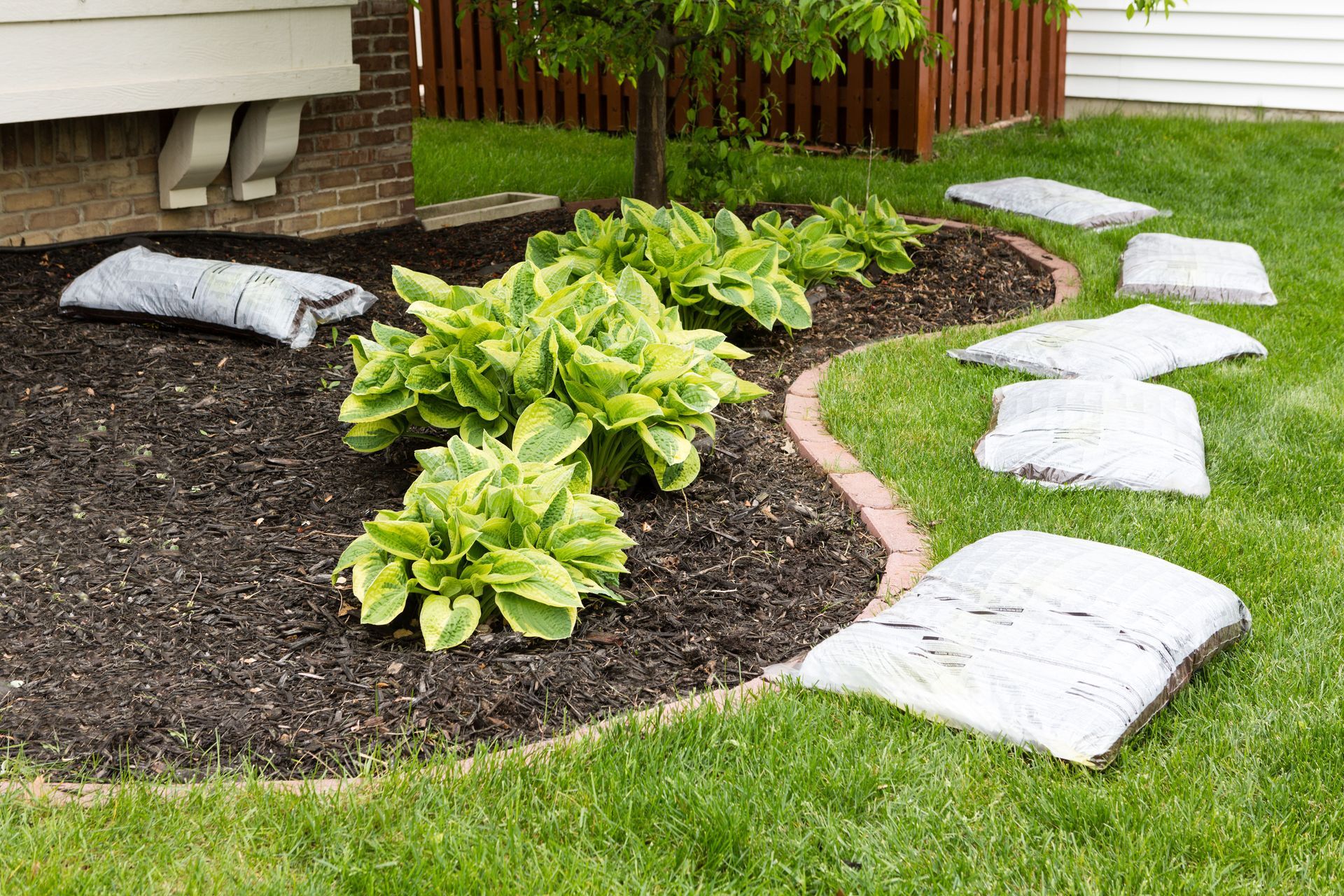
Garden beds can lose their visual appeal when leaves, branches, and other debris accumulate around plants. Routine maintenance keeps these areas orderly while giving plants adequate space to grow and remain visible. Removing unwanted growth can also make it easier to identify plants that require additional care. Mulch and other bed treatments can be maintained as needed to create a cleaner transition between vegetation and lawn areas. Well-defined garden beds contribute to a more organized overall landscape design. Regular attention keeps these spaces looking intentional rather than neglected.
8. Encourages Better Plant Growth
Different plants have different requirements for sunlight, moisture, nutrients, spacing, and pruning. Proper landscape maintenance accounts for these needs rather than treating every plant in the same way. Removing competing growth can give desirable plants more access to essential resources. Appropriate pruning can also encourage healthier development by directing growth and maintaining adequate airflow around plants. Consistent observation allows maintenance providers to recognize changes in plant condition as the landscape develops. Meeting individual plant needs can contribute to stronger, healthier, and more attractive vegetation.
9. Keeps Walkways and Outdoor Areas Accessible
Plants can gradually grow into walkways, driveways, patios, and other areas where clear access is important. Routine pruning and trimming help prevent vegetation from obstructing these spaces. Maintaining clear pathways also creates a cleaner visual transition between different areas of the property. Professional landscape maintenance can identify branches, shrubs, groundcover, or other vegetation that has begun to interfere with access. Addressing overgrowth regularly can help prevent a small obstruction from becoming a larger maintenance concern. Accessible outdoor areas are more comfortable and convenient for homeowners and guests.
10. Improves Seasonal Appearance
Landscapes change significantly as the seasons progress, requiring different types of maintenance throughout the year. Spring may call for cleanup and preparation, while summer often requires consistent mowing, trimming, and watering. Fall maintenance can focus on leaves, debris, pruning, and preparing plants for colder conditions. Winter may require attention to dormant vegetation and the protection of certain landscape features. A seasonal approach ensures that maintenance tasks are performed when they can provide the greatest benefit. Consistent year-round care helps the landscape remain attractive as environmental conditions change.
11. Helps Manage Overgrown Vegetation
Overgrown vegetation can make an otherwise attractive property appear unkempt and can interfere with other landscape features. Shrubs may extend into walkways, tree branches may become crowded, and groundcover can spread beyond its intended boundaries. Regular trimming helps maintain appropriate proportions and keeps plants within their designated spaces. Professional maintenance can also identify vegetation that has outgrown its location and may require more extensive attention. Keeping growth under control protects the overall structure of the landscape design. Consistent management prevents overgrowth from becoming an increasingly difficult problem.
12. Supports More Efficient Lawn Mowing
A properly maintained landscape makes routine mowing more efficient and produces a cleaner finished appearance. Edges, planting beds, pathways, and obstacles can be kept clearly defined so mowing equipment can move through lawn areas more effectively. Maintaining appropriate grass height also supports healthier growth and reduces the likelihood of an uneven appearance. Regular mowing prevents grass from becoming excessively tall and difficult to manage. Professional landscape maintenance can establish a consistent schedule based on grass growth and seasonal conditions. Efficient mowing contributes to a uniform lawn that complements the rest of the property.
Proper landscape maintenance keeps lawns healthy, shrubs attractive, trees cared for, and outdoor spaces inviting. Regular professional attention can also protect your landscaping investment, support property value, and prevent small concerns from becoming larger problems. From mowing lawns to pruning shrubs, consistent care keeps your yard looking its best year-round. Contact Holladay Nursery today!

Share On: