
Dos and Don'ts of Using Mulch in Your Garden
Creating a vibrant garden requires more than merely planting seeds and watering the soil. A thriving landscape depends heavily on proper soil care, moisture retention, and weed suppression. Gardeners constantly seek reliable methods to protect their precious plants from harsh weather conditions and competing invasive weeds. Applying a protective layer over bare soil serves as an essential technique for achieving these goals. This simple practice regulates soil temperature, conserves vital water resources, and breaks down over time to enrich the earth below.
However, applying this garden dressing incorrectly can cause significant harm to trees, shrubs, and blooming flowers. Misguided techniques often lead to root rot, pest infestations, and nutrient deficiencies. To cultivate a beautiful outdoor space, enthusiasts must learn the proper guidelines for applying this beneficial ground cover. By understanding the correct practices and avoiding common mistakes, any person can unlock the full potential of their landscape. This guide explores essential practices for enhancing garden health.
Do Select Appropriate Materials for Different Garden Beds
Choosing suitable ground cover depends entirely on the specific needs of the garden zone. Vegetable patches thrive with lightweight organic matter that decomposes rapidly, returning vital nutrients to the soil structure. Straw or shredded leaves work wonderfully for these temporary growing spaces. They provide excellent moisture control while breaking down quickly enough to enrich the earth before the next planting season begins.
Conversely, permanent landscape installations like shrub borders or tree rings benefit from long-lasting protective layers. Hardwood chips or bark nuggets offer remarkable durability for these permanent features. These sturdy materials decompose slowly, providing enduring weed suppression and reducing the frequency of replacement applications. Selecting appropriate materials ensures the landscape remains tidy while supporting the underlying root systems effectively.
Gardeners must also consider the aesthetic appeal when selecting organic matter. Dark-colored bark provides a striking contrast against vibrant green foliage and bright floral blooms, elevating the visual impact of the entire yard. Pine needles create a lovely, natural woodland appearance perfect for rustic landscape designs. Choosing visually pleasing materials transforms an ordinary yard into a stunning visual retreat.
Always evaluate the local climate before making a final selection. Heavy rains easily wash away lightweight materials, leaving soil exposed to erosion and weed invasion. In rainy climates, heavier bark pieces stay firmly planted despite torrential downpours. Dry regions require dense materials capable of locking maximum moisture deep underground, shielding fragile roots from blistering sunbeams.
Don't Ignore Proper Application Techniques During Installation
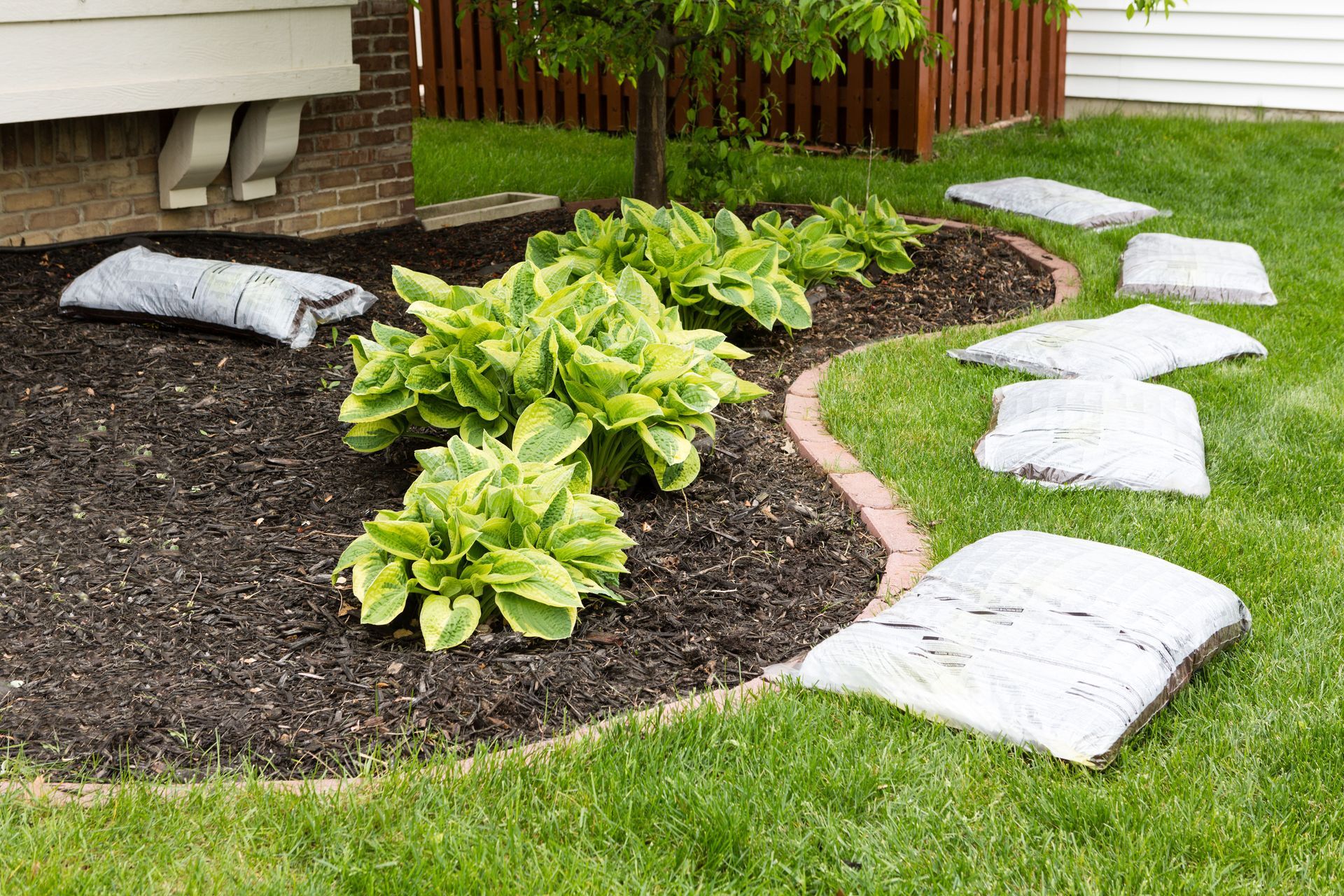
Applying ground cover correctly remains crucial for maintaining plant vitality and preventing disastrous landscape failures. Piling material excessively high against tree trunks creates notorious "volcanoes" that trap moisture directly against the bark. This trapped dampness invites rot, fungal diseases, and harmful burrowing insects to attack the vulnerable woody stems. A healthy tree requires ample breathing room at its base to survive and flourish.
To promote optimal growth, always pull the protective layer back slightly from the base of every plant, creating a shallow depression. This small gap prevents crown rot and allows stems to breathe freely in the open air. Ensuring clearance around stems guarantees that delicate tissues remain dry and disease-free. Proper spacing serves as a fundamental rule for maintaining a resilient, disease-resistant garden environment.
Depth matters tremendously when spreading organic material across empty soil spaces. Applying too little coverage fails to suppress aggressive weeds or retain sufficient moisture during scorching summer afternoons. Conversely, excessive depth blocks rainfall from penetrating deeply into the root zone, creating dry conditions despite heavy precipitation. Finding the perfect balance guarantees optimal hydration and robust growth for all nearby greenery.
Here is the crucial fact to remember regarding depth. According to Almanac, applying a 2- to 3-inch–thick layer of mulch avoids burying and suffocating the plants and allows oxygen and water to reach the roots. Following this specific guideline ensures the landscape receives exactly the right amount of protection without compromising underlying plant health.
Do Prepare Bare Soil Thoroughly Before Spreading Material
Spreading protective ground cover over unprepared earth inevitably leads to frustrating landscaping challenges down the road. Gardeners must invest time in pulling existing weeds completely from the roots before adding any topdressing. Covering established weeds merely provides them with a cozy blanket, allowing them to continue growing robustly beneath the surface. Eradicating invasive growth initially saves countless hours of exhausting labor later.
Refining the soil surface enhances the overall effectiveness of the garden dressing. Raking the ground smooth ensures an even distribution of the protective barrier across the entire bed. Leveling the dirt prevents rainwater from pooling in sunken areas or running off steep mounds prematurely. An even surface guarantees uniform moisture retention, benefiting every plant equally across the landscape.
Providing adequate hydration directly to the soil before application jump-starts the beneficial effects of the topdressing. Watering the bare earth deeply locks moisture into the ground right from the beginning. The newly applied organic blanket then immediately traps this dampness, instantly creating a hydrated oasis for thirsty root networks. Dry soil covered by dry material often repels rainfall, causing water runoff instead of absorption.
Amending poor earth with rich compost before applying the final layer provides incredible long-term benefits. Mixing decomposed organic matter directly into the topsoil delivers an immediate nutritional boost to surrounding foliage. The subsequent protective layer then shields this newly enriched soil from sun-baking and wind erosion. This synergistic combination creates the ultimate foundation for spectacular blooming and vigorous vegetative growth.
Don't Forget Essential Maintenance Tasks Throughout Changing Seasons
Organic topdressing requires ongoing attention to remain effective and visually appealing as weather patterns shift. Over time, shredded bark and leaf litter naturally decompose, breaking down into fine particles that integrate with the dirt below. As this breakdown occurs, the protective barrier becomes thinner and less capable of suppressing aggressive weed germination. Regularly monitoring the depth ensures the garden remains adequately protected against invasive seeds.
Fluffing the existing material revitalizes its appearance and restores its functional benefits without requiring an entirely new product. Wind and rain eventually compress the top layer, creating a hardened crust that repels vital rainfall and blocks oxygen circulation. Using a garden rake to gently loosen the crusted surface instantly restores breathability and improves water penetration. This simple maintenance task revives the landscape effortlessly.
Fungal growth occasionally appears on decaying wood chips during prolonged periods of high humidity and excessive dampness. These harmless, brightly colored molds break down decaying matter but often look quite alarming to an inexperienced gardener. Simply scooping up the affected patch or turning it under conceals the unsightly fungi completely. Acknowledging natural decomposition processes helps maintain a calm, stress-free approach to outdoor property management.
Refreshing the garden beds with a fresh application of mulch restores maximum protection and pristine aesthetic beauty. Rather than removing old, partially decomposed material, gardeners should simply sprinkle a light coating of new product directly over the existing bed. This practice builds healthy soil structure continuously while maintaining a crisp, manicured appearance. Consistent upkeep guarantees a stunning, thriving yard year-round.
Cultivating a spectacular landscape demands careful attention to detail and a commitment to proven horticultural practices. Applying a protective layer of organic matter stands as a foundational technique for achieving vigorous, resilient plant growth. By selecting appropriate materials, respecting application guidelines, preparing the earth properly, and maintaining the beds consistently, any person can transform a struggling yard into a lush paradise. The benefits extend far beyond simple weed suppression, touching every aspect of environmental health.
Recognizing the power of proper ground covering empowers gardeners to create sustainable, low-maintenance outdoor sanctuaries. Using mulch wisely minimizes tedious watering chores and significantly reduces time spent battling relentless invasive weeds. Embracing these reliable methods ensures the landscape remains beautiful, hydrated, and deeply nourished regardless of external weather challenges. When you spread mulch thoughtfully, your entire garden ecosystem will undoubtedly reward you with brilliant colors and bountiful harvests. Every carefully placed piece of mulch brings your personal outdoor haven closer to absolute perfection. Visit Holladay Nursery today to find the ideal mulch for your specific gardening needs. Let our knowledgeable staff help you create a beautiful, thriving landscape!


Share On: