
Beginner Tips for a Successful Garden
Gardening can seem daunting for beginners, yet it offers countless benefits both physically and mentally. Whether you're looking to beautify your space or grow your own food, gardening provides an opportunity to connect with nature and enhance your environment. Additionally, starting a garden can be an excellent way to engage in a rewarding hobby. This article aims to guide you through a beginner-friendly approach to gardening, offering practical tips and advice for a successful start.
Select the Right Plants for Your Garden
One of the crucial steps in starting a garden is selecting the right plants that suit your lifestyle and environment. Consider the climate of your area, as not all plants thrive in every temperature or humidity level. Additionally, think about the amount of sunlight your garden receives throughout the day, as this will impact the type of plants you should choose. Visiting a local garden center can be immensely helpful.
Another factor to consider is the maintenance requirements of your chosen plants. Opt for low-maintenance options if you're a beginner, such as succulents or native plants that are accustomed to local conditions. It's also beneficial to research the typical growth patterns and mature sizes of plants to avoid overcrowding. Starting with just a few types of plants can make the learning process more manageable and enjoyable.
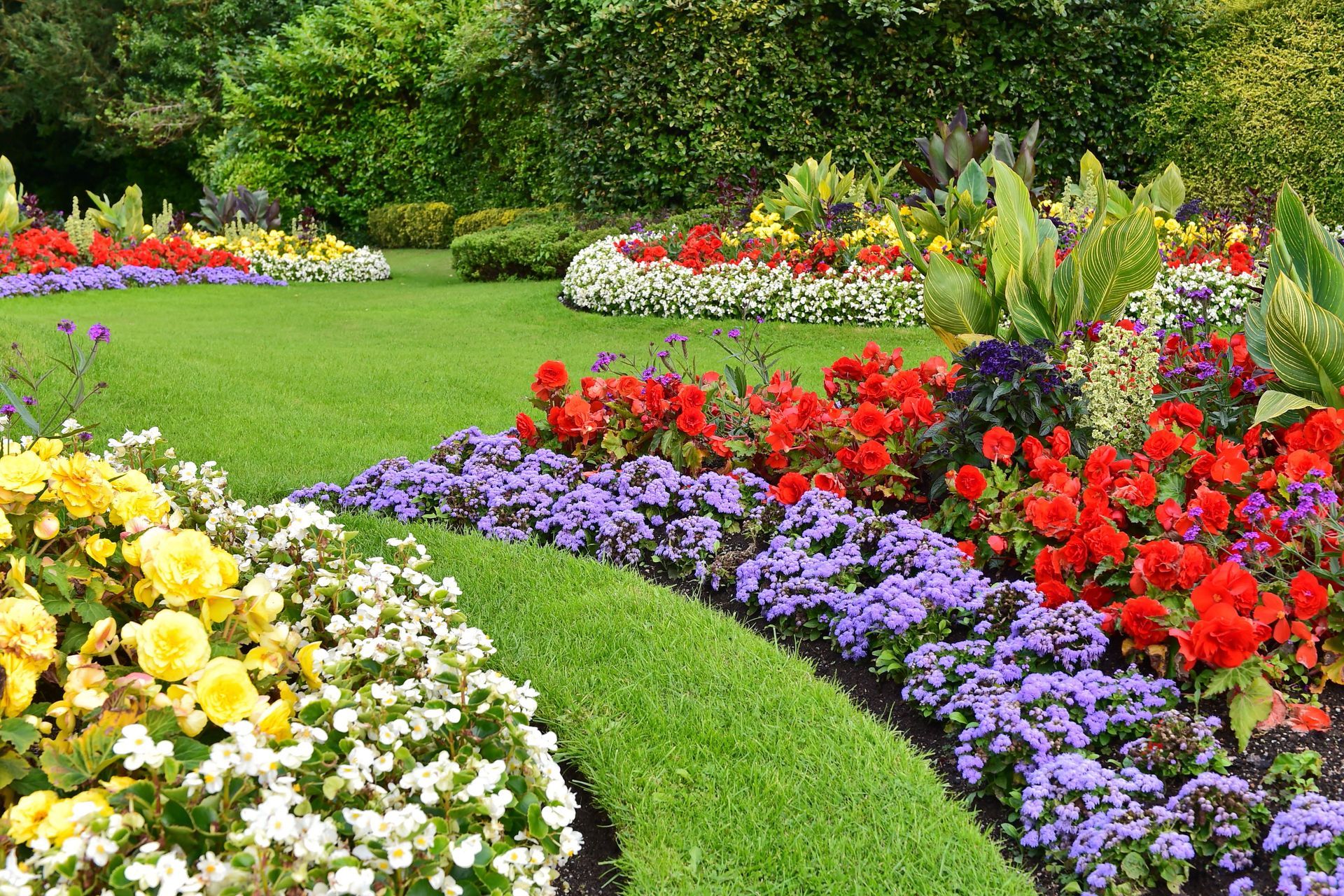
Lastly, think about your personal preferences and the purpose of your garden. Are you interested in a vegetable garden, or are you more inclined towards ornamental flowers? Understanding your goals will help refine your plant selections. According to RubyHome, approximately 55% of U.S. households have a garden, showing the potential for immense satisfaction and achievement from gardening endeavors.
Gather Essential Gardening Tools
Having the right tools makes gardening more efficient and enjoyable, especially for beginners who are still learning the ropes. Essential tools include a hand trowel, which is perfect for planting and transplanting small plants. A watering can or garden hose is necessary to ensure your plants receive adequate hydration. Additionally, a pair of gloves will protect your hands from thorns and dirt as you work in your garden.
As you expand your gardening knowledge, you might find that additional tools become useful. For instance, a spade and a garden fork can be valuable for digging and aerating larger areas of soil. A wheelbarrow can also be helpful for transporting soil, compost, or plant debris. Visiting a garden center can provide beginners with insights into which tools are best suited for their particular gardening plans.
It's important to maintain your tools after each use for longevity and effectiveness. Regularly cleaning and drying your tools, as well as sharpening their edges when needed, will keep them functioning as intended. Investing in quality tools saves time and enhances the gardening experience, making it more enjoyable and productive. Many budding gardeners find that building a collection of reliable tools fosters a deeper connection to the gardening process.
Prepare Your Soil for Healthy Growth
Proper soil preparation is critical for the health and success of your plants. Start by assessing your soil's quality, checking for texture, drainage, and fertility. Many plants prefer well-draining soil with a balanced pH level, which can be tested using a simple at-home kit. Amending your soil with compost or other organic matter can significantly improve its structure and nutrient content.
Incorporating organic materials such as compost, aged manure, or peat moss can help make the soil more fertile and support healthy plant growth. This process not only enriches the soil but also encourages beneficial microorganisms that contribute to overall soil health. For areas with poor-quality soil, creating raised beds filled with customized soil mixes can be an effective solution. Consulting with experts at a garden center can provide additional insights tailored to your soil conditions.
It's also essential to remove weeds and debris from your garden area before planting, as these can compete with your new plants for nutrients and water. Tilling or turning over the soil helps to aerate it and integrate any added amendments. Taking these preparatory steps ensures robust plant development and reduces the likelihood of growth-related challenges. Preparedness can make all the difference in the success of your gardening endeavors.
Water Your Garden Effectively
Watering your garden properly is a pivotal aspect that directly affects plant vitality and productivity. The general rule of thumb is to water deeply and infrequently, encouraging roots to grow deeper. Early morning or late afternoon is ideal for watering, as the cooler temperatures reduce water evaporation and help plants absorb moisture more effectively.
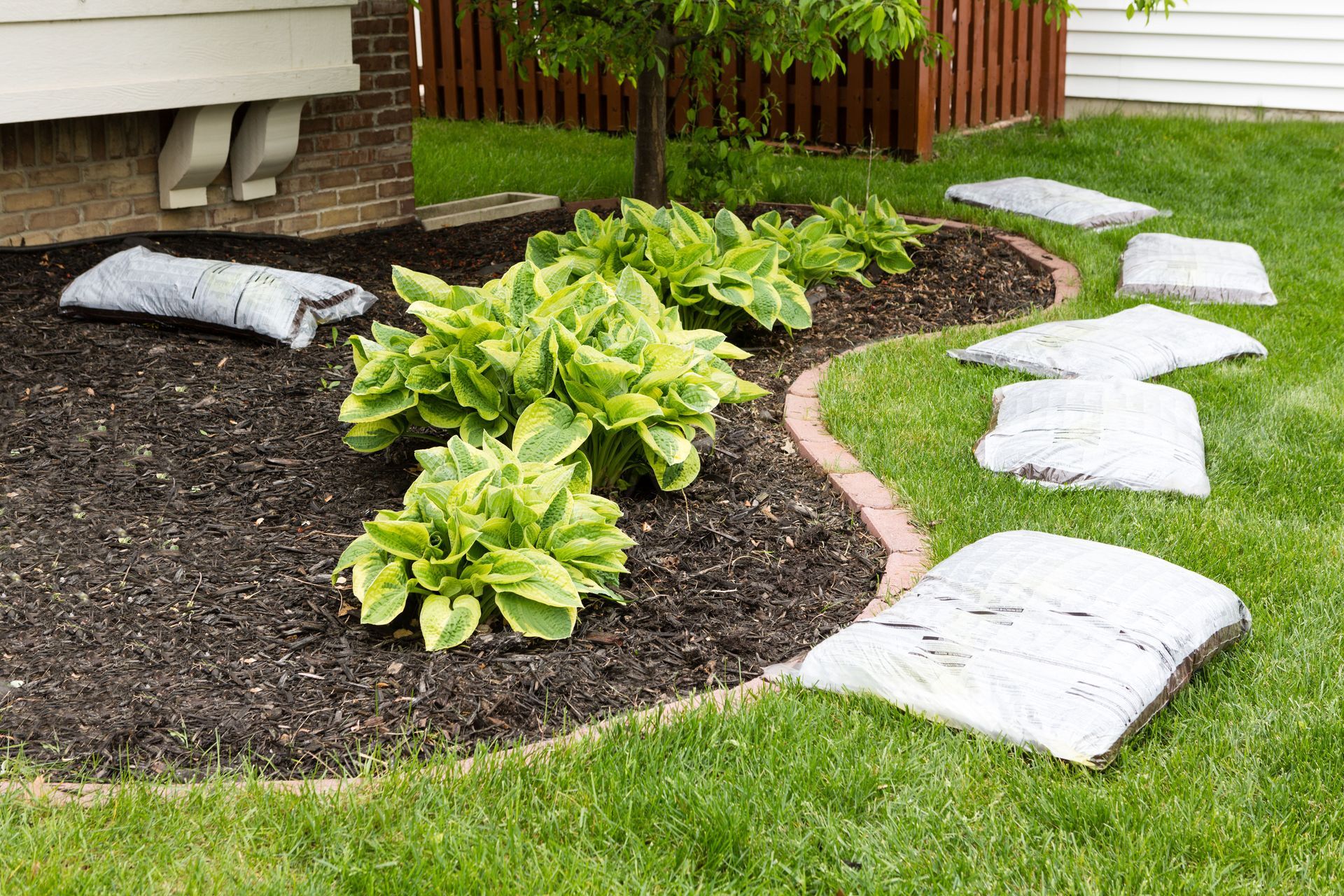
Each plant's watering needs vary based on species, stage of growth, and environmental conditions. Observing your garden and adjusting your watering habits helps prevent over-watering or drought stress, which can lead to root rot or wilting. Mulching around plants can also retain soil moisture and suppress weed growth, leading to more efficient water use. Visiting a garden center can provide responsive advice on irrigation systems best suited for your garden setup.
Regularly checking soil moisture levels will help ensure that you meet your plants' hydration needs without drowning them. Using a soil moisture meter or simply inserting your finger into the soil can give you an immediate sense of whether additional watering is necessary. Consistent attention to watering practices encourages plants to thrive and persevere through weather fluctuations. With millions of Americans embracing the joys of gardening, cultivating efficient watering techniques becomes an integral skill for any gardener, novice or experienced alike.
Protect Your Garden From Pests
Maintaining a healthy, pest-free garden can be achieved through vigilance and proactive care practices. Start by learning common pest signs and conducting regular garden inspections to identify potential issues early. Encourage biodiversity by attracting beneficial insects such as ladybugs and bees, which act as natural pest deterrents. Utilizing companion planting techniques can also help ward off undesirable insects and promote symbiotic plant relationships.
Implementing organic pest control solutions like neem oil or insecticidal soap can effectively manage pests without harming your plants or the environment. Neem oil, in particular, is derived from neem tree seeds and functions as a natural pesticide, reducing pest populations without impacting beneficial insects. Additionally, rotating crops and practicing good garden hygiene by cleaning up debris can minimize the risk of disease and pest infestations. Expert advice from a garden center can further guide you toward sustainable and organic pest control methods.
Healthy soil fosters resilient plants that are less susceptible to pest attacks and diseases. Regular soil enrichment and effective watering methods support plant health and immune responses. Keeping track of environmental conditions, such as rainfall, can inform your pest management strategy by predicting pest booms and adjusting interventions proactively. As a part of the gardening community, your efforts contribute to wider ecological stewardship and care.
Creating a successful garden as a beginner is achievable through careful planning and attention to essential horticultural practices. By selecting the right plants, investing in necessary tools, and preparing your soil adequately, you set a strong foundation for your gardening journey. Consistent watering, timely interventions, and pest management will ensure your garden remains healthy and thriving. Do not hesitate to visit your local garden center for specific advice and inspiration tailored to your surroundings. As one of the millions of households engaged in gardening, you're embarking on a gratifying experience that fosters both personal well-being and environmental enhancement. Reach out to Holladay Nursery to learn more about our garden center today.


Share On: